Common Causes of Heel Spurs and How to Prevent Them
- posted: Aug. 20, 2025
Heel pain can make even the simplest activities, like walking to the mailbox or standing in the kitchen, uncomfortable. One of the most frequent culprits is a heel spur, a bony growth that forms at the base of the heel. At Foot and Ankle Health Center, with offices in Joliet and Channahon, Illinois, Dr. Steven B. Overpeck, DPM, FACFAS, helps patients find lasting relief by caring for not just the spur itself but also the reasons it developed in the first place.
What Exactly Is a Heel Spur?
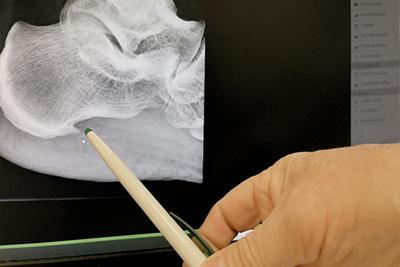
A heel spur is a calcium deposit that builds up under the heel bone over time. While small spurs may not always cause symptoms, larger ones can lead to persistent heel pain, especially when standing, walking, or running. Heel spurs often form in response to long-term stress on the foot muscles and ligaments.
Common Causes of Heel Spurs
Several factors contribute to the development of heel spurs:
- Plantar Fasciitis – The most common cause, plantar fasciitis occurs when the ligament that supports the arch of your foot becomes inflamed. Continuous stress on this ligament can lead to calcium deposits, resulting in a spur.
- Repetitive Stress – Activities such as running, jumping, or spending long hours on your feet can place too much stress on the heel, encouraging spur formation.
- Improper Footwear – Shoes without proper support or cushioning increase pressure on the heel, raising the risk of irritation and bone growth.
- Foot Structure Issues – Flat feet, high arches, or abnormal gait patterns can all affect how weight is distributed across the foot, creating excess stress at the heel.
- Age and Weight – Natural changes in the fat pad under the heel, along with additional body weight, can put more force on the heel.
Prevention: What You Can Do
While not all heel spurs can be avoided, there are simple ways to lower your risk:
- Choose shoes with good arch support and cushioning.
- Stretch your calves and plantar fascia regularly, especially if you’re active.
- Maintain a healthy weight to reduce extra pressure on your heels.
- Avoid sudden increases in activity level; build up gradually when exercising.
- Use orthotic inserts if you have flat feet, high arches, or other structural concerns.
When to Seek Help
Heel pain that lingers for more than a few days, especially if it interferes with daily life, shouldn’t be ignored. Dr. Overpeck at Foot and Ankle Health Center of Joliet and Channahon provides thorough evaluations to determine whether a spur or another condition is causing your discomfort. Treatment may include stretching programs, custom orthotics, physical therapy, or other options personalized to your needs.
Find Relief from Heel Spurs and Protect Your Feet
Heel spurs don’t have to control your mobility or your quality of life. With the right care and preventive measures, you can reduce pain and protect your foot health for the long term. If you’re struggling with heel discomfort, Dr. Steven B. Overpeck is ready to help you get back on your feet comfortably. Call the Foot and Ankle Health Center’s Joliet, Illinois, office at (815) 730-8200 or our Channahon location at (815) 290-5000.
- posted: Aug. 20, 2025
Heel pain can make even the simplest activities, like walking to the mailbox or standing in the kitchen, uncomfortable. One of the most frequent culprits is a heel spur, a bony growth that forms at the base of the heel. At Foot and Ankle Health Center, with offices in Joliet and Channahon, Illinois, Dr. Steven B. Overpeck, DPM, FACFAS, helps patients find lasting relief by caring for not just the spur itself but also the reasons it developed in the first place.
What Exactly Is a Heel Spur?
A heel spur is a calcium deposit that builds up under the heel bone over time. While small spurs may not always cause symptoms, larger ones can lead to persistent heel pain, especially when standing, walking, or running. Heel spurs often form in response to long-term stress on the foot muscles and ligaments.
Common Causes of Heel Spurs
Several factors contribute to the development of heel spurs:
- Plantar Fasciitis – The most common cause, plantar fasciitis occurs when the ligament that supports the arch of your foot becomes inflamed. Continuous stress on this ligament can lead to calcium deposits, resulting in a spur.
- Repetitive Stress – Activities such as running, jumping, or spending long hours on your feet can place too much stress on the heel, encouraging spur formation.
- Improper Footwear – Shoes without proper support or cushioning increase pressure on the heel, raising the risk of irritation and bone growth.
- Foot Structure Issues – Flat feet, high arches, or abnormal gait patterns can all affect how weight is distributed across the foot, creating excess stress at the heel.
- Age and Weight – Natural changes in the fat pad under the heel, along with additional body weight, can put more force on the heel.
Prevention: What You Can Do
While not all heel spurs can be avoided, there are simple ways to lower your risk:
- Choose shoes with good arch support and cushioning.
- Stretch your calves and plantar fascia regularly, especially if you’re active.
- Maintain a healthy weight to reduce extra pressure on your heels.
- Avoid sudden increases in activity level; build up gradually when exercising.
- Use orthotic inserts if you have flat feet, high arches, or other structural concerns.
When to Seek Help
Heel pain that lingers for more than a few days, especially if it interferes with daily life, shouldn’t be ignored. Dr. Overpeck at Foot and Ankle Health Center of Joliet and Channahon provides thorough evaluations to determine whether a spur or another condition is causing your discomfort. Treatment may include stretching programs, custom orthotics, physical therapy, or other options personalized to your needs.
Find Relief from Heel Spurs and Protect Your Feet
Heel spurs don’t have to control your mobility or your quality of life. With the right care and preventive measures, you can reduce pain and protect your foot health for the long term. If you’re struggling with heel discomfort, Dr. Steven B. Overpeck is ready to help you get back on your feet comfortably. Call the Foot and Ankle Health Center’s Joliet, Illinois, office at (815) 730-8200 or our Channahon location at (815) 290-5000.
Our Locations
Joliet, IL - Office
1100 Essington Road,
60435
Contact Us

1100 Essington Road, Suite #2, Joliet, IL, 60435, US
25520 S. Pheasant Lane, Suite K, Channahon, IL, 60410, US
