Non-Surgical Treatment Options for Painful Heel Spurs
- posted: Sep. 25, 2025
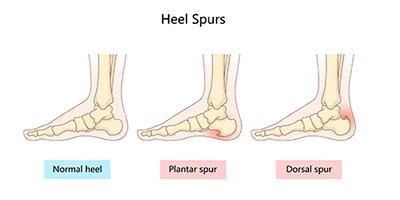
Heel pain can make even the simplest activities (walking, standing, or exercising) feel like a challenge. One common culprit behind chronic heel discomfort is a heel spur, a bony growth that develops on the underside of the heel bone. While the thought of surgery may worry some patients, many heel spurs can be managed effectively without it. At Foot and Ankle Health Center, with locations in Joliet and Channahon, IL, we focus on conservative care to relieve pain and restore mobility.
Spotting Symptoms and Sources of Pain
Heel spurs often form after prolonged strain on the foot’s ligaments and muscles. Repeated stress leads to calcium deposits that build up over time, creating the spur itself. While not always painful on their own, heel spurs can cause inflammation when combined with conditions like plantar fasciitis. Patients often report sharp, stabbing pain when taking their first steps in the morning or after long periods of rest. Understanding these symptoms helps guide treatment and prevent further discomfort.
Calming Pain with Conservative Care
Non-surgical options are often the first line of defense against heel spur pain. Rest and activity modification allow the heel time to recover, while supportive footwear and orthotic inserts provide cushioning and reduce strain. Ice therapy and anti-inflammatory medications can also help decrease swelling and pain. These simple adjustments may seem small, but they can make a significant difference in daily comfort.
Strengthening Support Through Stretching
Tight muscles and ligaments around the heel often contribute to spur-related pain. Stretching exercises targeting the calf and plantar fascia can improve flexibility and relieve pressure on the heel. Physical therapy may also be recommended to teach proper techniques, enhance strength, and prevent future flare-ups. By addressing the underlying tension, patients often experience meaningful, lasting relief.
Exploring Advanced Yet Non-Invasive Approaches
For patients with persistent discomfort, advanced treatments may provide additional support without surgery. Corticosteroid injections can reduce inflammation, while newer therapies such as shockwave treatment stimulate healing in affected tissues. These methods are designed to promote recovery and minimize downtime, offering effective alternatives to surgical intervention.
Returning to Comfort and Confidence
The goal of non-surgical heel spur treatment is not only to ease pain but also to restore patients’ ability to walk, move, and live with confidence. By combining lifestyle changes, therapeutic exercises, and innovative treatments, most individuals can find relief and avoid the need for surgery.
If heel pain is limiting your daily life, schedule an appointment with Foot and Ankle Health Center today. Our team will create a personalized treatment plan to address your heel spur discomfort and help you take steps toward lasting relief.
Joliet, IL, Office: (815) 730-8200
Channahon, IL, Office: (815) 290-5000
- posted: Sep. 25, 2025
Heel pain can make even the simplest activities (walking, standing, or exercising) feel like a challenge. One common culprit behind chronic heel discomfort is a heel spur, a bony growth that develops on the underside of the heel bone. While the thought of surgery may worry some patients, many heel spurs can be managed effectively without it. At Foot and Ankle Health Center, with locations in Joliet and Channahon, IL, we focus on conservative care to relieve pain and restore mobility.
Spotting Symptoms and Sources of Pain
Heel spurs often form after prolonged strain on the foot’s ligaments and muscles. Repeated stress leads to calcium deposits that build up over time, creating the spur itself. While not always painful on their own, heel spurs can cause inflammation when combined with conditions like plantar fasciitis. Patients often report sharp, stabbing pain when taking their first steps in the morning or after long periods of rest. Understanding these symptoms helps guide treatment and prevent further discomfort.
Calming Pain with Conservative Care
Non-surgical options are often the first line of defense against heel spur pain. Rest and activity modification allow the heel time to recover, while supportive footwear and orthotic inserts provide cushioning and reduce strain. Ice therapy and anti-inflammatory medications can also help decrease swelling and pain. These simple adjustments may seem small, but they can make a significant difference in daily comfort.
Strengthening Support Through Stretching
Tight muscles and ligaments around the heel often contribute to spur-related pain. Stretching exercises targeting the calf and plantar fascia can improve flexibility and relieve pressure on the heel. Physical therapy may also be recommended to teach proper techniques, enhance strength, and prevent future flare-ups. By addressing the underlying tension, patients often experience meaningful, lasting relief.
Exploring Advanced Yet Non-Invasive Approaches
For patients with persistent discomfort, advanced treatments may provide additional support without surgery. Corticosteroid injections can reduce inflammation, while newer therapies such as shockwave treatment stimulate healing in affected tissues. These methods are designed to promote recovery and minimize downtime, offering effective alternatives to surgical intervention.
Returning to Comfort and Confidence
The goal of non-surgical heel spur treatment is not only to ease pain but also to restore patients’ ability to walk, move, and live with confidence. By combining lifestyle changes, therapeutic exercises, and innovative treatments, most individuals can find relief and avoid the need for surgery.
If heel pain is limiting your daily life, schedule an appointment with Foot and Ankle Health Center today. Our team will create a personalized treatment plan to address your heel spur discomfort and help you take steps toward lasting relief.
Joliet, IL, Office: (815) 730-8200
Channahon, IL, Office: (815) 290-5000
Our Locations
Joliet, IL - Office
1100 Essington Road,
60435
Contact Us

1100 Essington Road, Suite #2, Joliet, IL, 60435, US
25520 S. Pheasant Lane, Suite K, Channahon, IL, 60410, US
